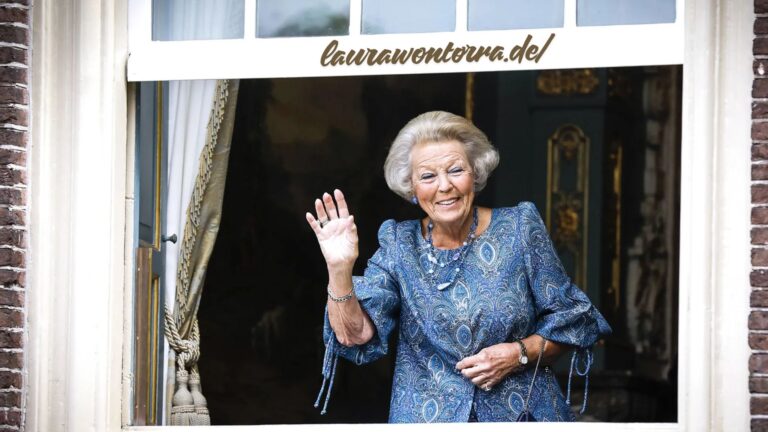
katja ebstein
German music history boasts few figures as versatile and enduring as Katja Ebstein, a singer whose powerful voice and artistic range made her a household name. Rising from post‑war beginnings to international stages, her impact on Eurovision, Schlager, and pop culture remains lasting and influential.
Early Life & Beginnings
Born Karin Ilse Witkiewicz on March 9, 1945, in Girlachsdorf (now Gniewków, Poland), Katja grew up in West Berlin after her family was displaced following WWII.
Her childhood in the Epensteinstraße inspired her stage name “Ebstein.” She later studied archaeology and Romance languages, all while singing in student venues.
Early Musical Path
While still a student, Ebstein performed in Berlin clubs and was soon noticed for her voice and presence.
This led to early media opportunities and collaborations with established producers, propelling her toward professional music.
Rise to International Fame
Eurovision Song Contest (ESC) gave Ebstein her breakthrough. She represented Germany three times – in 1970, 1971, and 1980 – each time placing in the top three.
- 1970 – “Wunder gibt es immer wieder” – 3rd
- 1971 – “Diese Welt” – 3rd
- 1980 – “Theater” – 2nd
She remains the most successful German ESC participant who never won but consistently reached the finals.
Musical Style & Signature Sound
Ebstein’s voice bridged several genres:
- Schlager & Pop – catchy, emotional melodies
- Chanson & Theater – dramatic and expressive interpretations
- **Literary Song – **performed poetry and socially conscious lyrics
Her tonal quality is warm, articulate, and engaging, often bringing theatrical depth to standard pop forms.
Chart Success & Hit Songs
Throughout her career she released over 30 albums, climbing charts in Germany and parts of Europe.
Some of her most beloved songs include:
- Wunder gibt es immer wieder
- Es war einmal ein Jäger
- Der Stern von Mykonos
- Abschied ist ein bißchen wie sterben
- Theater
Each track blends storytelling with vocal precision, making her hits enduring classics.
Contribution Beyond Eurovision
Unlike many contemporaries, Ebstein did not limit herself to pop standards:
- She interpreted poetry by Heinrich Heine, Brecht & others in musical settings.
- She appeared in theater productions, television shows, and literary music programs.
This blend of entertainment and cultural art elevated her artistic reputation.
Impact on German Music Culture
Ebstein stands out for:
- Longevity: Active in music for over five decades.
- Versatility: Blending multiple genres and styles.
- International Presence: Singing in several languages.
Her body of work influenced several generations of German musicians and performers.
Personal Life & Legacy
Katja Ebstein was married twice. Her first husband, composer Christian Bruhn, helped shape early hits.
Her second marriage to director Klaus Überall lasted nearly 30 years and supported her theater work.
Today she lives in Bavaria and occasionally appears on TV and in special concerts.
Benefits of Her Music
- Cultural richness: Blends literature with melody.
- Emotional depth: Songs convey universal feelings.
- Versatile reach: Appeals to pop, Schlager, and theater audiences.
Drawbacks or Limitations
- Some later works saw less commercial chart success.
- Her genre diversity occasionally confused mainstream categorization.
Who Is Katja Ebstein Best For?
- Fans of classic German music seeing timeless performance.
- Those seeking deep, emotional vocal artistry.
- Listeners who appreciate genre-crossing music.
Practical Examples of Her Influence
- Modern performers cite her unique blend of drama and song.
- Wunder gibt es immer wieder still plays in German retrospectives.
- Her ESC placements inspired future German hopefuls.
Comparative Table: Eurovision Placements
| Year | Song Title | Final Placement |
|---|---|---|
| 1970 | Wunder gibt es immer wieder | 3rd |
| 1971 | Diese Welt | 3rd |
| 1980 | Theater | 2nd |
Katja Ebstein’s Voice in Simple Words
Ebstein’s style combines heart and thought. Her voice is strong but tender. She tells stories, not just performs words. Her songs touch people because they feel real and meaningful.
Example Scenario – Why Her Music Lasts
Imagine a person hearing “Wunder gibt es immer wieder”. The melody stays, but the words remind them of hope. That’s why her music lasts – it’s not just entertainment, it’s comfort.
FAQ (Frequently Asked Questions)
What genre is Katja Ebstein known for?
She is best known for German Schlager, but also sings pop, chanson, and theatrical pieces.
How many times did she compete in Eurovision?
Ebstein represented Germany at Eurovision three times (1970, 1971, 1980).
Did she ever win Eurovision?
No, but she placed in the top three all three times.
Is her music still popular today?
Yes, her songs remain classics in German music culture.
Has she worked outside music?
Yes, Ebstein acted in theater and television and performed literary music programs.
Where does she live now?
She lives in Oberbayern (Bavaria), Germany.
What makes her voice special?
Her voice is expressive and warm, blending emotion with clear technique.
Key Takeaways
- Eurovision success: three top‑three finishes.
- 30+ albums: spanning decades.
- Versatile artist: from Schlager to theater.
- Cultural influence: enduring legacy in German music.
Final Verdict
Katja Ebstein is more than a singer; she’s one of Germany’s most treasured cultural voices. With outstanding Eurovision achievements and a diverse artistic portfolio, her music continues to inspire. Dive into her songs and legacy — and you’ll discover timeless artistry that still resonates today.
Über den Autor